
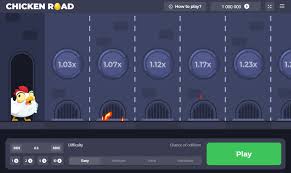
In our increasingly digital world, the term “demo” has become a ubiquitous concept that spans various industries and applications. Whether it’s a video game preview, a software trial, or a performance showcase, demos serve as a powerful tool to engage audiences and provide a glimpse into what lies ahead. In this article, we will explore the different facets of demos, their importance in marketing and user experience, and how they influence consumer behavior. Additionally, we’ll look at how demos can be as entertaining as they are insightful, much like a visit to demo Chicken Road, where vibrant experiences come to life.
1. What is a Demo?
The term “demo” is derived from the word “demonstration” and refers to a presentation or showcase that illustrates the features or capabilities of a product, service, or concept. Demos can take many forms, ranging from video clips and interactive samples to live performances and trade show displays. Their primary purpose is to provide potential customers with an opportunity to experience a product or service before making a purchase decision.
2. Types of Demos
Demos can be classified into several categories based on the context in which they are used. Here are some common types:

- Software Demos: Often used in the technology sector, software demos allow users to test out applications before committing to a subscription or purchase. These may include guided tours, interactive trials, or video tutorials that showcase key features and functionalities.
- Product Demos: Retailers frequently use product demonstrations to highlight the benefits of their offerings. In stores or online, these demos can include live presentations, video showcases, or interactive experiences aimed at converting potential buyers into customers.
- Game Demos: In the gaming industry, demos are typically short experiences that allow players to try out a portion of a game before its official release. These demos help build anticipation and excitement among gamers and allow developers to gather feedback prior to launch.
- Artistic Demos: Musicians, dancers, and other performers may create demos to showcase their talents. These performances can take the form of recorded videos, live showcases, or audition tapes that provide insight into the artist’s style and skillset.
3. Significance of Demos in Marketing
In the realm of marketing, demos play a crucial role in bridging the gap between product development and consumer engagement. Here are a few reasons why demos are significant:
- Building Trust: Demonstrating a product allows consumers to see it in action, fostering trust and credibility. By providing a tangible experience, companies can alleviate potential concerns and establish a connection with their audience.
- Encouraging Decision-Making: Demos can simplify the buying process by making it easier for consumers to understand product features and benefits. A well-executed demo can reduce ambiguity and lead to swift purchasing decisions.
- Gathering Feedback: Companies can use demos as a means to gather feedback from consumers. By observing how users interact with a demo, businesses can identify pain points and areas for improvement before launching the final product.
- Increasing Engagement: Engaging content, including demos, is more likely to capture the attention of potential customers. Demos can be entertaining and informative, keeping consumers engaged and interested in the brand.
4. The Role of Demos in User Experience
User experience (UX) is a critical factor in the success of any product or service. Demos contribute to UX in several meaningful ways:
- Hands-On Learning: Demos allow users to interact with products, facilitating hands-on learning. This experiential approach enhances understanding and helps consumers feel more comfortable with new technologies or complex features.
- Reducing Frustration: By providing a clear demonstration of how to use a product, demos can minimize user frustration. This is particularly important for software applications, where a lack of clarity can lead to confusion and abandonment.
- Encouraging Exploration: Demos often encourage users to explore a product’s full range of features, leading to increased satisfaction and likelihood of use. Users who feel confident navigating a product are more likely to enjoy their experience and recommend it to others.
5. Creating Effective Demos
Whether you’re a business owner, marketer, or artist, creating an effective demo requires careful planning and execution. Here are some tips to consider:
- Know Your Audience: Tailor your demo to resonate with your target audience. Understanding their needs and preferences can help shape the content and presentation of the demo.
- Keep It Simple: Avoid overwhelming users with too much information. Focus on the key features and benefits that are most relevant to your audience, and ensure that the demo is easy to follow.
- Use High-Quality Visuals: Whether it’s video, graphics, or live presentations, quality visual elements can significantly enhance the impact of a demo. Invest in professional production values to create a polished presentation.
- Encourage Interaction: Interactive demos can be particularly engaging, as they allow users to participate in the experience. Incorporate user input, feedback, and questions to create a more dynamic demo.
6. Conclusion
Demos have become an integral part of the modern consumer experience, providing a valuable opportunity for engagement, education, and decision-making. From software trials to product showcases, demos help businesses connect with their audience and foster trust. As technology continues to evolve, the ways in which we create and consume demos are likely to transform, offering even more immersive and impactful experiences. By understanding the significance of demos and implementing effective strategies, businesses can enhance their marketing efforts and create lasting connections with consumers.