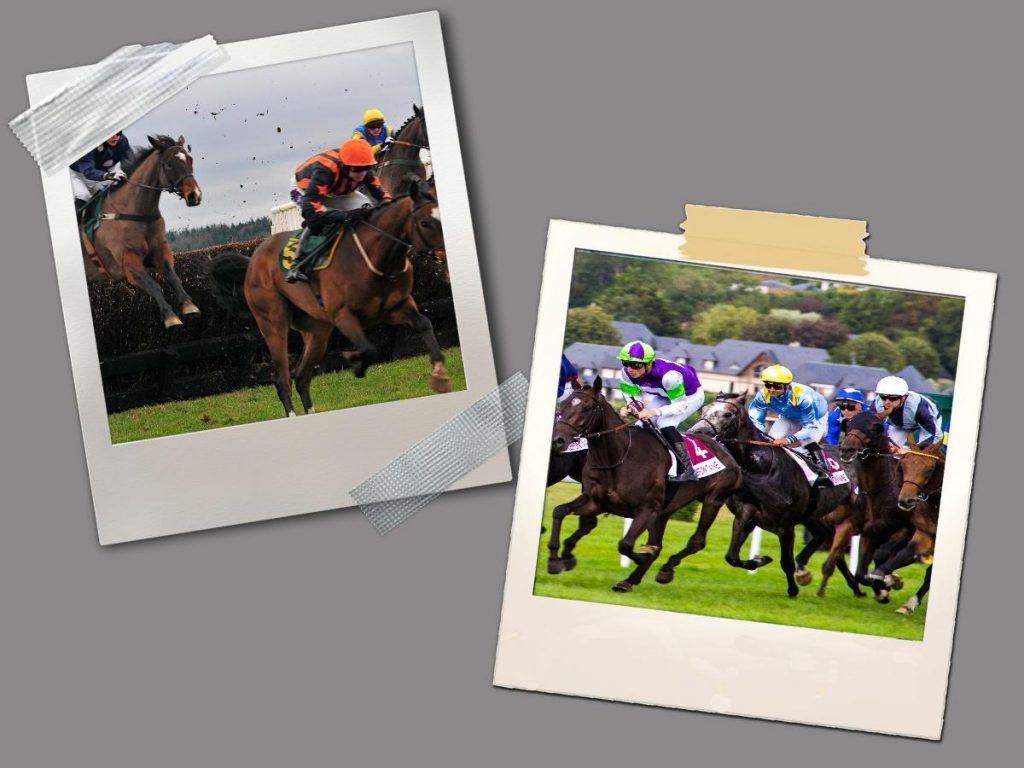
The Impact of Not Racing: Understanding ‘UK Horse Racing Not On’
Horse racing is often referred to as the “sport of kings,” providing thrilling experiences for fans and considerable economic activity for the UK. However, there are instances when major race events are canceled or postponed due to unforeseen circumstances, such as adverse weather, health concerns, or other logistical issues. In such times, the disruption of horse racing not only affects the athletes – the horses, jockeys, and trainers – but also impacts bettors and the wider economy. For those looking for alternatives in a challenging betting environment, you can refer to UK horse racing not on GamStop horse betting sites not on GamStop. This article explores the nuances of horse racing cancellations in the UK and the repercussions they hold.
The Significance of Horse Racing in the UK
Horse racing is deeply rooted in British culture, with a history spanning several centuries. Events like the Grand National, Royal Ascot, and the Epsom Derby are not just sporting fixtures; they are vital cultural events that draw large crowds and extensive media coverage. These races contribute substantially to local economies, with tourism and hospitality blooming around them. Betting is an integral part of the experience, creating a multi-billion-pound industry that attracts millions of participants.
Reasons for Cancellations
Cancellations in horse racing can arise from a variety of factors. Weather conditions, such as heavy rain or snow, can render tracks unsafe for racing. Safety is paramount in horse racing; hence, authorities must prioritize the welfare of both horses and jockeys. Additionally, health and safety concerns, such as outbreaks of equine diseases (e.g., flu or strangles), can lead to the halting of races to prevent the spread among competitors.
Logistical challenges can also play a significant role. These include issues such as insufficient attendance, operational difficulties, or financial constraints faced by racing venues. Recognizing the potential fallout from such decisions, racing organizations must weigh the benefits and drawbacks of proceeding with events against the backdrop of public safety and the well-being of all involved.
Economic Impacts of Cancellations
When horse racing events are canceled, the economic impacts can reverberate throughout communities. Bookmakers face losses as potential betting revenues vanish alongside the absence of live events. This can lead to job losses within the industry, affecting not only bookmakers but also staff at racecourses, hospitality venues, and related businesses. The ripple effect can challenge the financial stability of local economies that thrive on racing events.
Furthermore, established traditions surrounding betting on cancelled events can lead to increased frustration among fans. Many punters depend on the excitement and financial benefits associated with horse racing, and a void can cause dissatisfaction and disengagement from the sport. This phenomenon can shift the betting landscape, leading to bettors seeking alternative options, including platforms that operate outside of regulatory frameworks such as GamStop.

Responsibility in Betting
In the wake of racing cancellations, responsible gambling becomes a crucial conversation. The thrill that draws many into the betting world can sometimes lead to impulsive decisions, especially in periods where their usual sports betting is unavailable. This is why understanding and practicing responsible gambling is essential. There are various resources and tools available to help bettors maintain control over their gambling habits and make informed decisions.
Alternatives for Bettors
In light of cancellations, bettors may seek alternative betting opportunities. Options can include different sports, virtual racing, or online games like poker or blackjack. Many online platforms offer a diverse range of activities, ensuring that there’s a rich selection available for those who might feel the void left by horse racing cancellations.
Looking Forward: The Future of UK Horse Racing
The future of horse racing in the UK relies heavily on adaptability. With the world continuously evolving, racing authorities are faced with the need to innovate in overcoming challenges presented by cancellations and external factors. This includes improving safety protocols, enhancing communication with fans, and ensuring that alternatives are provided when traditional racing events encounter hurdles.
Conclusion
UK horse racing is a cherished tradition that embraces the spirit of competition and entertainment. However, when the racing calendar faces disruptions, it is essential to acknowledge the broad impact these cancellations have on fans, participants, and the economy. Understanding these ramifications helps in appreciating the sport’s depth, while also highlighting the importance of responsible participation in betting, regardless of the circumstances. As the industry navigates its challenges, ensuring the safety and engagement of all stakeholders will remain a primary focus, paving the way for a bright future in British horse racing.